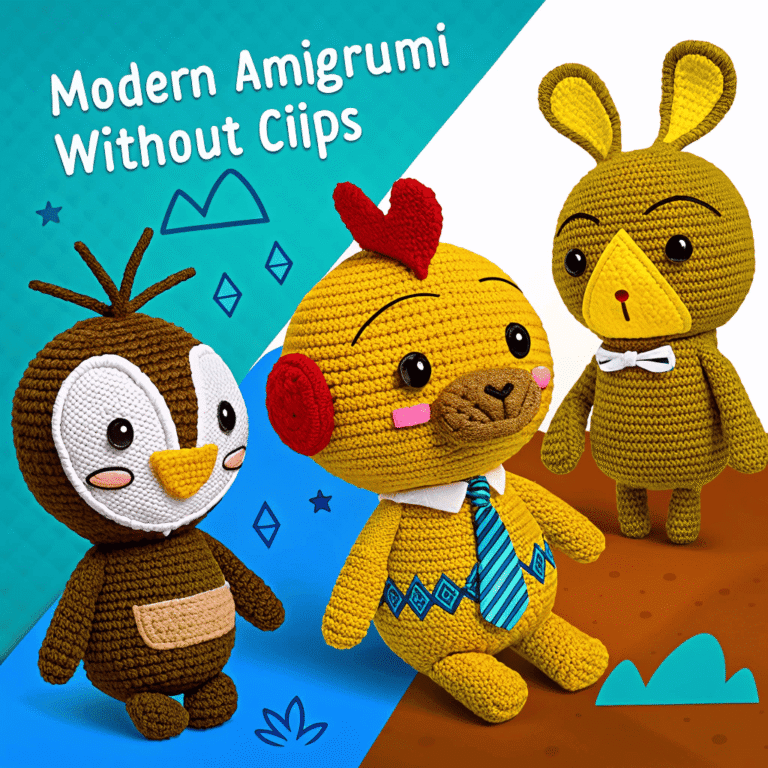
Tips for Storing Finished Crocheted Toys
Dust, moth, fray and fuzz in the anxious dreams of amigurumi or – cozy coddling? Urgently become a guardian angel!
So, you have become the owner of an amigurumi toy for your child, for your collection, or you create your own toys. And you have already created several of them!
How to preserve the original appearance of amigurumi and extend its service life? Proper storage is the key to the longevity of your knitted masterpieces. In this article, we will share useful tips that will help you keep your amigurumi in perfect condition.
Cleanliness is the key to health (and longevity)
Before storing the toy, make sure it is clean. If the toy is new, it most likely does not need to be washed. However, if it has already been used, or you want to freshen it up before long-term storage, follow these recommendations:
- Hand washing is amigurumi’s best friend: Most knitted toys are best hand washed. Use cool water and a mild detergent (such as baby shampoo or a special detergent for wool). Rub the toy gently, avoiding strong friction and wringing.
- Machine wash – with caution: If you are confident in the strength of the threads and the density of the knitting, you can try machine washing on a delicate cycle with cold water. Be sure to place the toy in a special laundry bag to prevent it from deforming and tangling.
- Drying – naturally: Never dry amigurumi in a dryer! This can cause shrinkage, deformation and damage to the filling. The best way is to lay the toy on a flat surface on a towel, away from direct sunlight and heat sources. Turn the toy over periodically so that it dries evenly.
Where and how to store: creating ideal conditions
The choice of place and method of storage plays a key role in preserving the shape and appearance of your amigurumi.
- Avoid moisture and direct sunlight: Humidity can cause mold and unpleasant odor, and direct sunlight can cause the threads to fade. Store toys in a cool, dry place, protected from the sun.
- Breathable materials are your choice: It is best to store amigurumi in fabric bags or boxes made of natural materials (cotton, linen). Plastic containers can create a greenhouse effect and contribute to the accumulation of moisture.
- Don’t overload boxes: If you store several toys in one box, make sure that they are not squashed against each other. Storing them too tightly can lead to deformation.
- Separate storage for toys with small parts: Toys with sewn-on beads, buttons or other small parts are best stored separately to avoid loss or damage.
- Use organizers: Special toy organizers or fabric shelves will help you neatly arrange amigurumi and prevent them from falling.
- For long-term storage – vacuum bags (with caution): However, before placing the toy in the bag, make sure it is completely dry. Strong compression can permanently deform the knitting and flatten protruding parts (ears, paws), so this method is not recommended for voluminous toys with complex shapes. It is also worth periodically removing the toys from the vacuum bags so that they can “breathe” and avoid compaction.
Protection from dust and pests
Dust is not only an aesthetic problem, but also a potential source of allergies. And pests such as moths can cause irreparable damage to your knitted products.
- Tight closure: Make sure that the boxes or bags in which the toys are stored are tightly closed. This minimizes dust ingress.
- Natural repellents: Instead of chemical moth repellents, which can damage the yarn or leave an unpleasant odor, use natural repellents. These can be bags with dried lavender, cedar balls or cloves. Place them near the toys, but not in direct contact with them.
- Regular Inspection: Periodically inspect your amigurumi for dust or signs of pests. If you notice dust, gently brush it off with a soft brush or vacuum on low power using the delicates attachment.
Maintaining shape and care during storage
Even if stored properly, knitted toys may lose their shape a little over time. Here are some tips on how to avoid this:
- Stuffing: If the toy seems too soft or has lost its shape, you can carefully stuff it with additional filler (hollow fiber, synthetic fluff). Do this through the existing hole or by carefully unraveling a small section of the seam.
- Support: For large or soft toys, you can use special stands or pillows so that they remain upright and do not deform.
- Periodic airing: Even if the toys are stored in ideal conditions, it is useful to periodically take them out so that they can air out. This will help to avoid stagnant air and maintain freshness.
Special cases: storing for sale or as a gift
If you are knitting toys for sale or as a gift, it is important that they look as attractive as possible.
- Individual packaging: Each toy can be packed in a transparent bag with a zip lock or in a beautiful fabric bag. This will not only protect it from dust, but also give the toy a finished look.
- Tags and labels: Don’t forget to attach a tag with information about the yarn composition, care instructions, and possibly the name of the craftsman.
- Photographing before storing: If you plan to sell the toys, take high-quality photos before storing them. This will help you quickly find the right toy and demonstrate it to potential buyers.
Important point: Following these simple but effective tips, you can keep your favorite knitted amigurumi toys in perfect condition for many years, delighting yourself and your loved ones with their charm and warmth. Store with love, and your knitted friends will serve you faithfully!
Popular Products
-
 T-Shirt Three$15.00
 -

 Triangle$5.00
 -

 Product on saleT-Shirt OneOriginal price was: $15.00.$12.00Current price is: $12.00.