How to Combine Different Types of Yarn to Create Bright Toys

Are your toys still of one type? Enough of tolerating this! Stage a textile revolution in your amigurumi — Your hook deserves more than a marriage with one yarn.
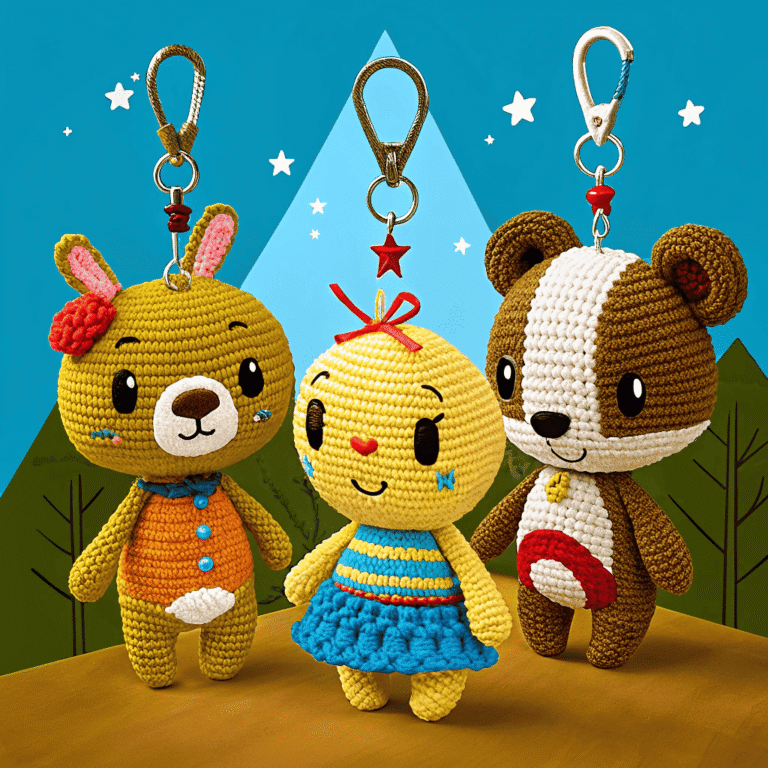
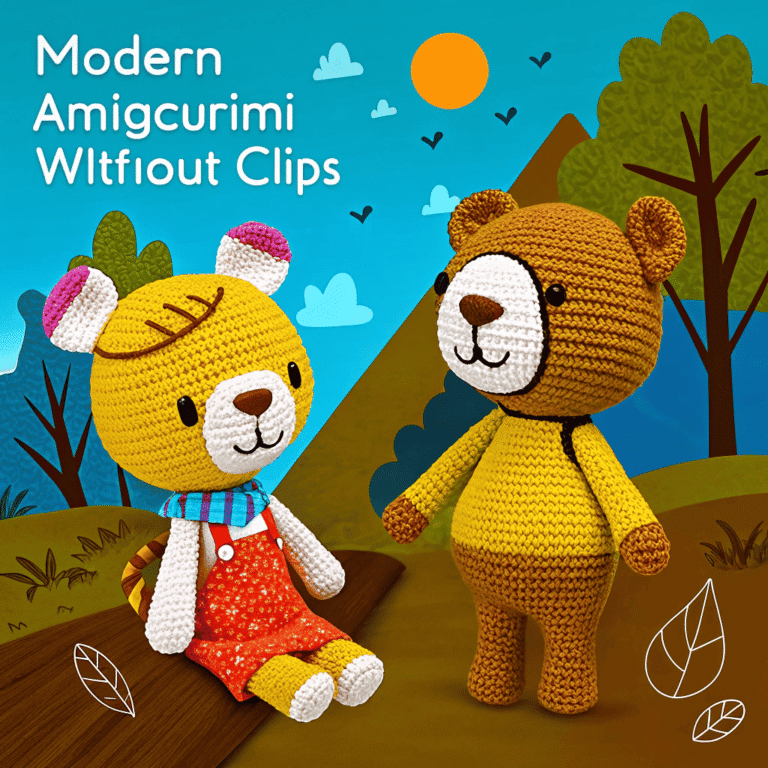
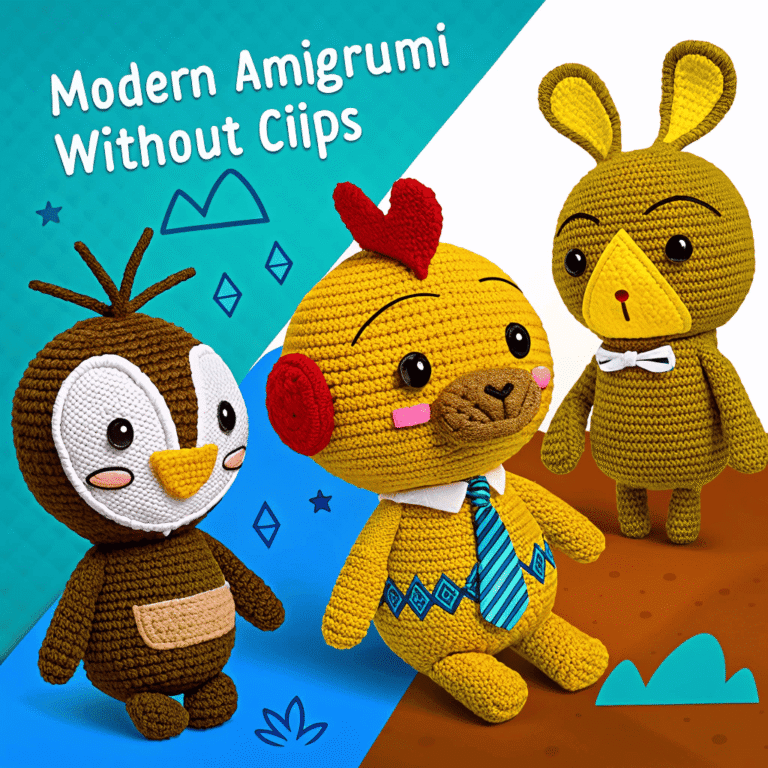
Of course, toys should be bright! And the magic of combining different types of yarn comes to the rescue. Playing with textures, colors and thickness of threads, you can give your creations a unique character and inimitable charm. Let’s lift the veil of secrets of all the colors of the rainbow!
Why is it worth experimenting with yarn?
- Visual appeal: A variety of textures and colors makes a toy more interesting and attractive to children. Soft plush yarn combined with smooth cotton can create a pleasant tactile contrast
- Uniqueness: Each combination of yarn is your signature touch. You can create a toy that will be absolutely unique
- Functionality: Some types of yarn are better suited for certain parts of the toy. For example, thicker yarn can be ideal for creating a frame or stable parts, and fluffier yarn for creating wool or hair
- Savings: Sometimes you have small scraps of yarn of different colors. Instead of throwing them away, you can use them to create bright accents or small details on your toy
Key principles for successful yarn combinations
Color harmony
- Color wheel: Use the color wheel as a guide. Combine complementary colors (opposite each other) for bright contrasts, or analogous colors (nearby) for a more calm and harmonious palette
- Neutral colors as a base: White, gray, beige or black can serve as a great base on which bright accents will look great
- Theme: Think about the theme of your toy. For a nautical theme, shades of blue, light blue, white and sand will work. For a forest theme, green, brown and orange will work
- Contrast and accents: Don’t be afraid to use bright, contrasting colors for details – eyes, nose, ears, clothing. This will add life and expression to the toy
- Trial samples: Before you start knitting the main part of the toy, knit small samples from different types of yarn to see how they look together
Combination of textures
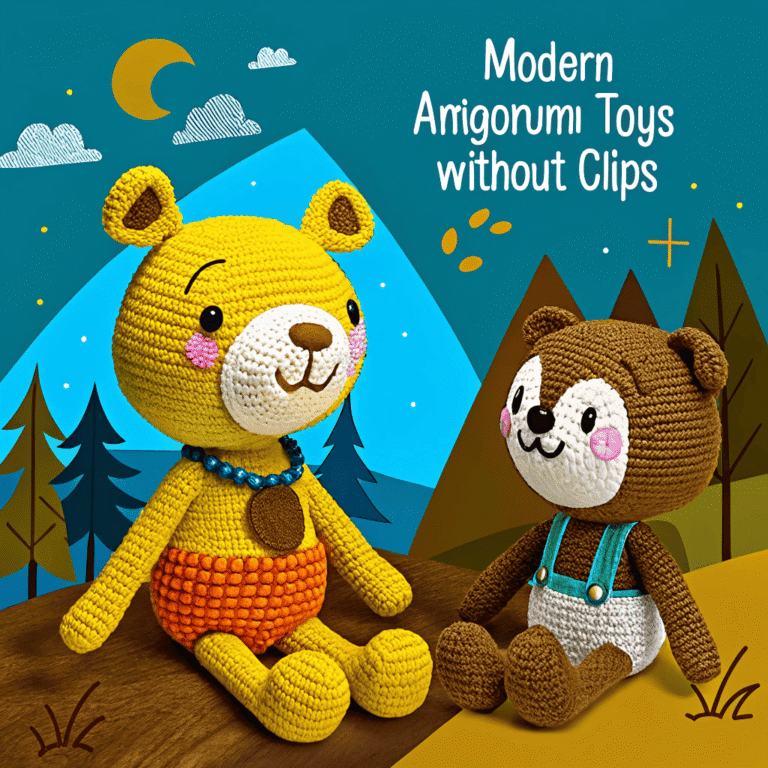
- Texture Contrast: Combine smooth and fluffy, matte and shiny, ribbed and smooth yarns. For example, plush yarn for the bear’s body and smooth cotton for its vest
- Yarn Weight: Pay attention to the thickness of the yarn. If you combine yarn of different thicknesses, you may need to adjust the size of the hook or knitting needles. It is best to combine yarns that have a similar weight or use thicker yarn to create voluminous details
- Tactile Feel: Think about how the toy will feel in your hands. A soft, pleasant to the touch yarn is always a plus
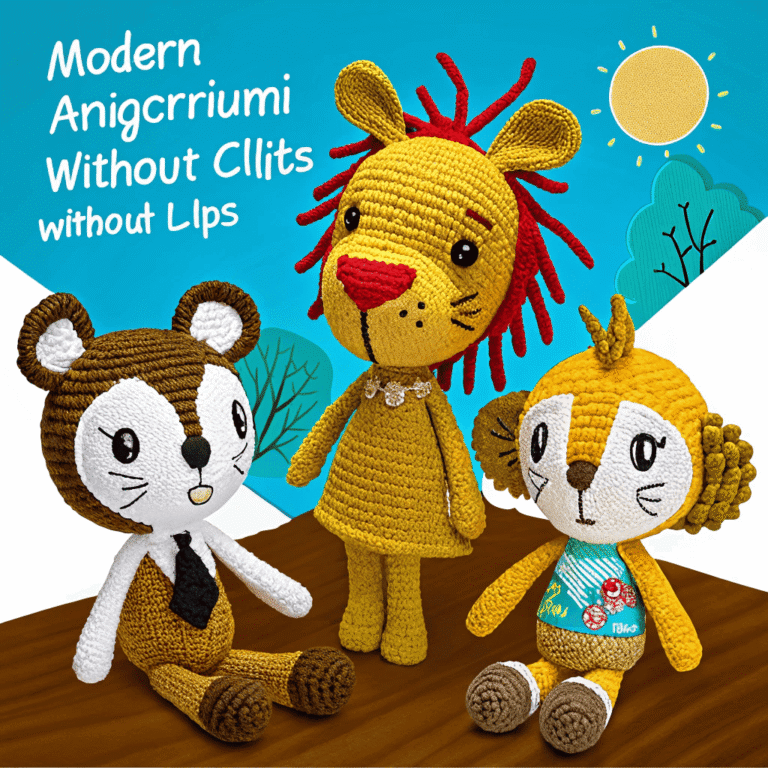
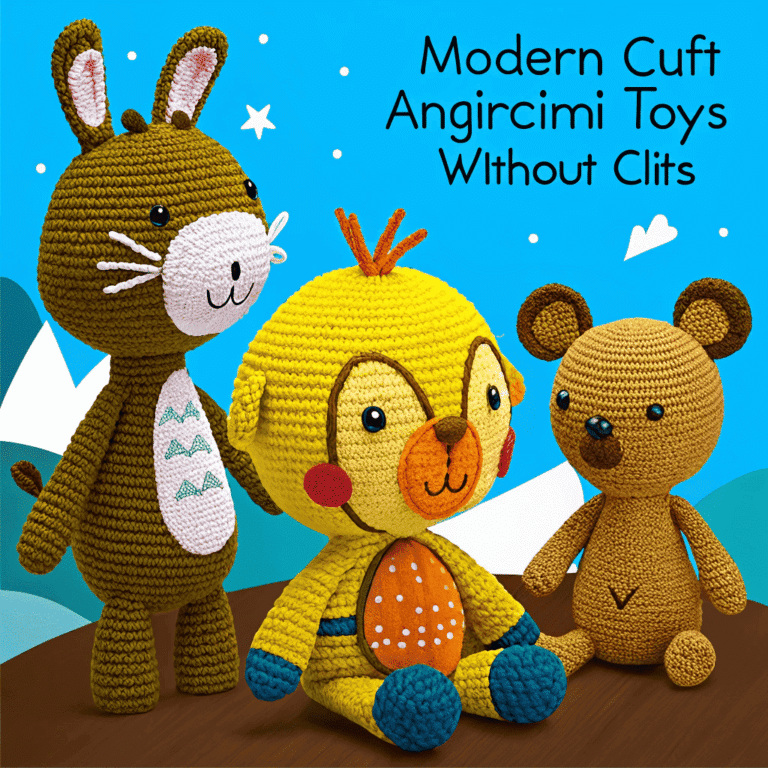
- Special Effects: Use yarn with lurex, melange yarn, yarn with a “grass” effect to create interesting texture transitions and special effects. For example, “grass” can be a great material for a lion’s mane or a fox’s fluffy tail
Combination of materials
- Yarn and fabric: Don’t be afraid to combine knitted parts with fabric ones. For example, a knitted body of a toy with fabric ears or paws. This will add originality and variety to the toy
- Yarn and felt: Felt is a great material for creating small details, such as eyes, nose, buttons or appliques. It goes well with knitted elements and gives the toy a finished look
- Yarn and beads/buttons: Use beads or buttons for eyes, nose, decorations or decorative elements. They can add sparkle and individuality to the toy. Important!!! Toys with such details are suitable for children from 8 years old. For younger children, look for patterns without beads, bugles, sequins, and anything that can be torn off, bitten off, or swallowed
Practical tips for creating colorful toys
- Start simple: If you are new to combining yarn, start with two or three types of yarn that go well together in color and texture. Gradually, you will be able to master more complex combinations
- Use yarn scraps: Don’t throw away yarn scraps! They can be a great material for creating bright accents, stripes, spots, or small details on your toy
- Get inspired: Look for ideas on the Internet, in magazines, at craft shows. Watch how other crafters combine yarn, and experiment!
- Don’t be afraid to make mistakes: Crafting is a creative process, and mistakes are part of this process. If something doesn’t work out the first time, don’t get upset, try again
- Consider the age of the child: For the youngest children, it is better to choose yarn that does not have small parts that can be torn off and swallowed. It is also worth avoiding too prickly or hard materials
- Wash samples: Before you start knitting a toy, knit small samples from the selected types of yarn and wash them. This will help you understand how the yarn behaves after washing, whether it fades or loses its shape
Examples of successful combinations
- Teddy bear: The body is made of soft plush yarn (for example, YarnArt Dolce, Himalaya Dolphin Baby) in pastel colors (beige, cream, light pink) in combination with cotton yarn (for example, Alize Cotton Gold) for a vest or scarf in bright, contrasting colors (red, blue, yellow)
- Cotton bunny with grass accents: The main part of the bunny is knitted from smooth cotton yarn (for example, Gazzal Baby Cotton) in delicate shades (white, gray, blue). The ears and fluffy tail can be knitted from yarn with a grass effect (for example, Alize Softy) in a contrasting color (pink, yellow, orange)
- A fox with a melange tail: The body of the fox is made of acrylic or semi-woolen yarn (for example, Alize Lanagold) in red or orange tones. The tail can be knitted from a melange yarn that combines several shades of orange, yellow and brown to create the effect of natural coloring
- A hedgehog made of textured yarn: The body of the hedgehog can be knitted from yarn with a pronounced texture (for example, YarnArt Crazy Color) in gray or brown tones. The needles can be made from yarn with loops (for example, Alize Alpaca Boucle) or from yarn with a grass effect in a darker shade. The muzzle and paws can be knitted from smooth cotton yarn
Conclusion
Combining different types of yarn is a fun and creative process that allows you to create unique and bright toys. Don’t be afraid to experiment, try new combinations and implement your boldest ideas. Remember the principles of color harmony, combination of textures and materials, and your toys will definitely become real works of art that will delight you and your loved ones! Get inspired, create and share your creativity with the world!
Popular Products
-
 T-Shirt Three$15.00
 -
 Triangle$5.00
 -
 Product on saleT-Shirt OneOriginal price was: $15.00.$12.00Current price is: $12.00.