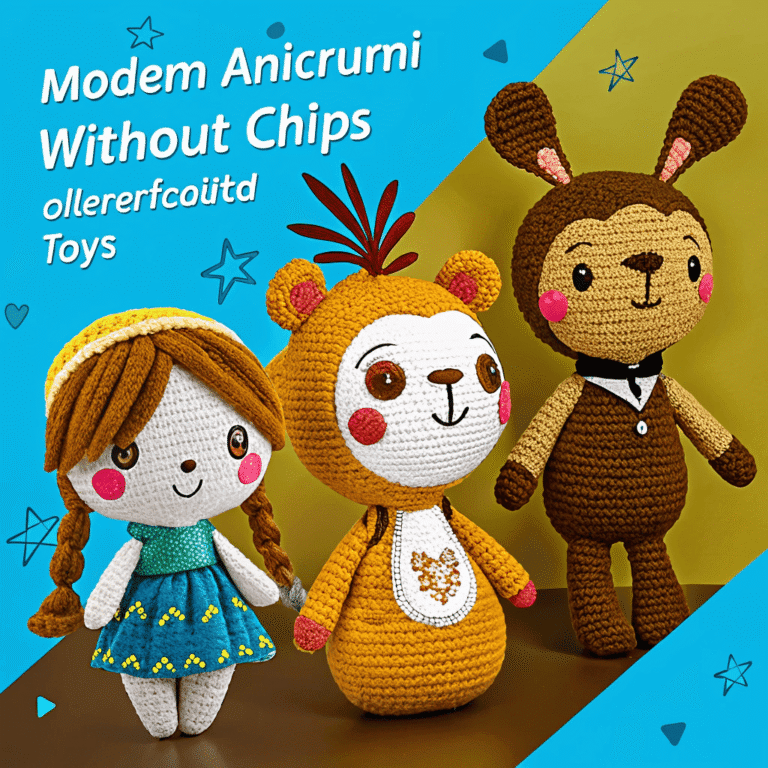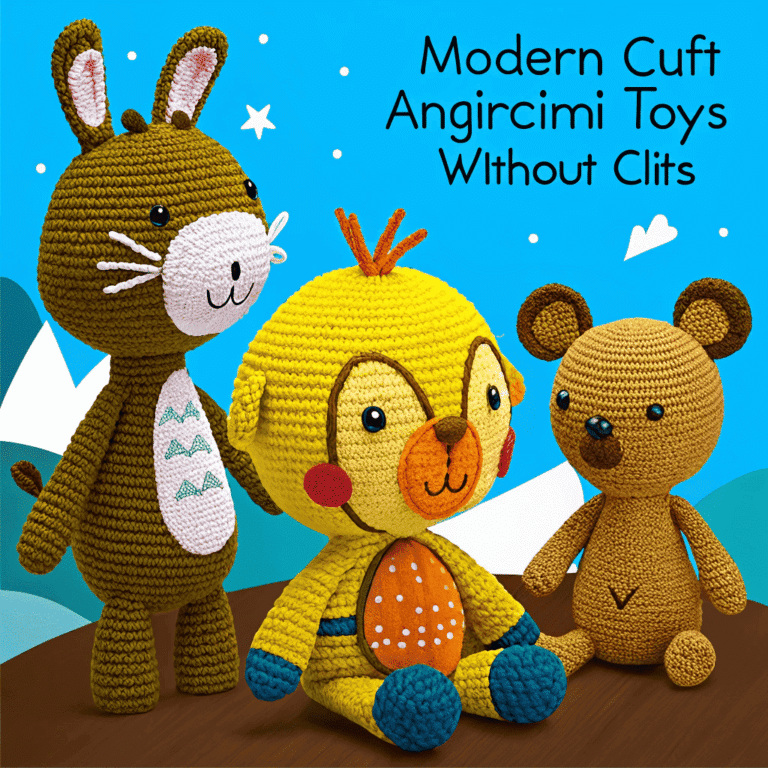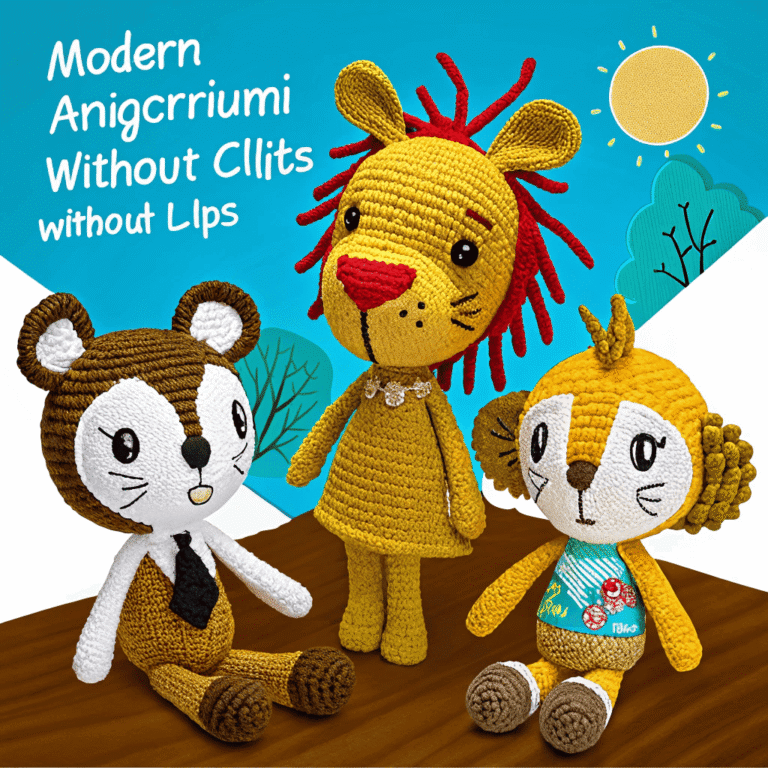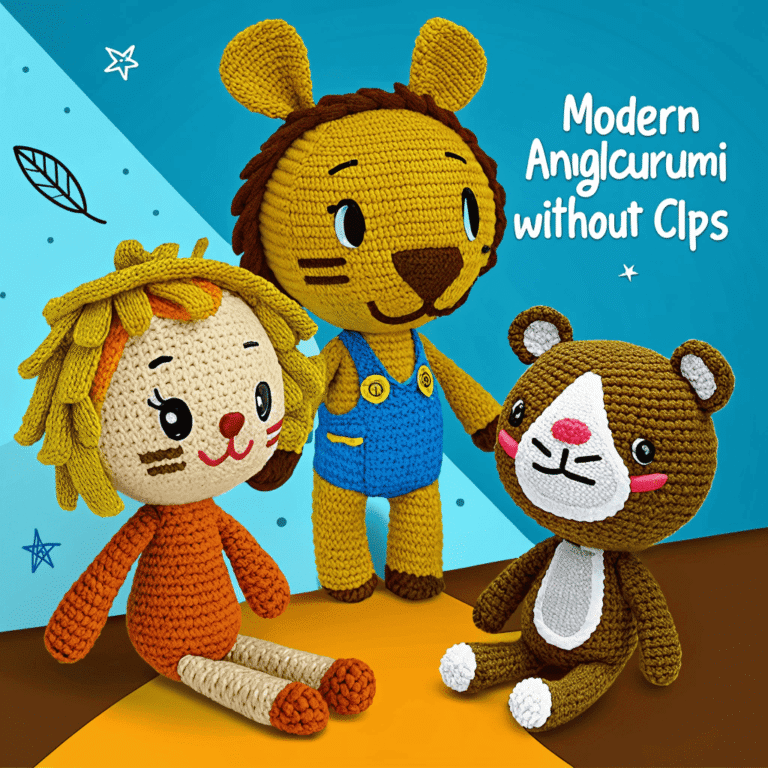
Materials and Tools

An obedient hook – non-shedding yarn – and other myths. Myths debunked: showing what truly matters. So your Amigurumi won’t become a thriller hero.
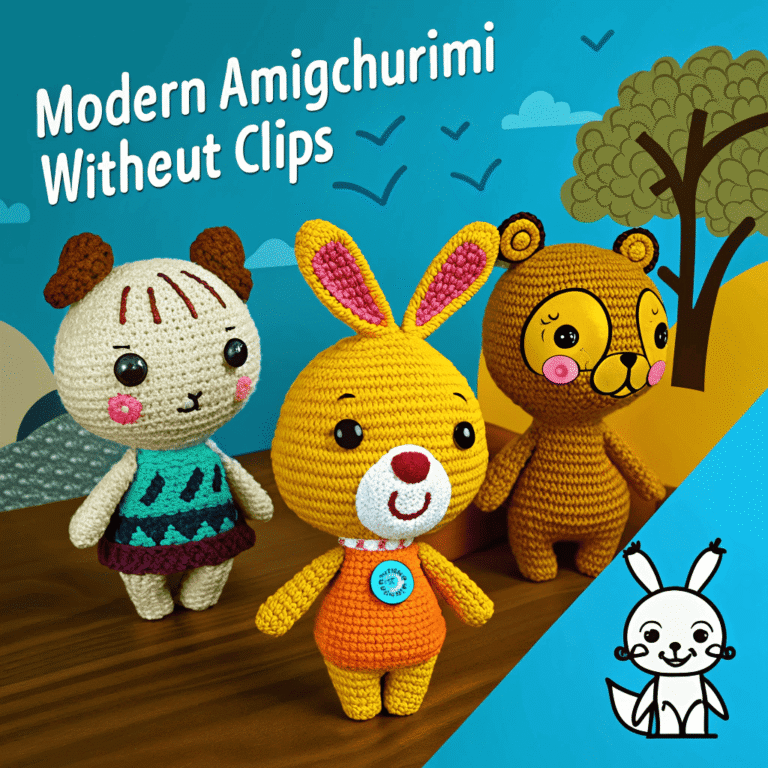
I know for sure that knitting toys is not just child’s play, but a real art form that can bring warmth, comfort, and individuality. They can be a wonderful gift, a stylish decorative element, or a source of inspiration for your hobby.
But to bring your boldest ideas to life, you will need the right materials and tools, as in any craft. Let’s take a look at our craft boxes and see what tools we already have and what we need to add.
Materials: The foundation of your creativity
The choice of materials determines: the appearance, the feel, and the durability of the toy.
Yarn
- Yarn type:
- Cotton: ideal for toys that will be washed frequently. Hypoallergenic, breathable, pleasant to the touch. Available in different thicknesses, from thin mouline to thick mercerized cotton.
- Acrylic: affordable and available in a variety of colors. Easy to care for, does not fade, holds its shape well. Some types are less pleasant to the touch.
- Wool: adds volume and softness, warm and cozy. May cause allergies, requires delicate care.
- Plush yarn (plush, velour): creates fluffiness, ideal for realistic animals. Requires skill.
- Blended yarn: combines the properties of different fibers, balancing naturalness, durability, and affordability.
- Yarn thickness: affects the size and density of the knitting. For small toys, it is better to use thin yarn, for large toys, thicker yarn.
- Color: any shade. Contrast is important for details: eyes, nose, patterns.
Filling
- Sintepuh: light, soft, elastic, does not clump, holds its shape well.
- Hollofiber: dense, elastic, hypoallergenic, straightens after washing.
Eyes and nose
- Plastic with fasteners: safe for children, securely attached, different sizes and shapes.
- Embroidery: contrasting threads for details.
- Buttons: decorative, securely sewn on.
- Beads or glass beads: for small details and sparkle (provided that the toy is not intended for children under 8 years of age).
Additional materials
- Wire (floristic, chenille): frame for paws, ears, whiskers.
- Cardboard, but preferably [plastic]: for reinforcing parts.
- Ribbons, buttons, beads, lace: decorations and accessories (keep in mind the rule about children under 8 years old).
- Blush or pastel: to give the cheeks a natural glow.
Tools: must be safe and comfortable to use.
- Knitting hook:
size, material (metal, plastic, wood), type (classic or ergonomic). - Sewing needle:
With a blunt tip: does not split threads, passes easily through loops.
With a wide eye: convenient for threading yarn. - Scissors:
small for details, large for cutting threads. - Knitting markers:
help mark the beginning of a row, increases/decreases, especially when knitting in the round.
Over time, I recommend getting markers of different designs for working with different types of yarn. To start with, you can mark the row with a piece of contrasting thread (personally, I prefer markers). - Tape measure or ruler:
for checking the dimensions of pieces and their conformity to the pattern. - Pins:
for fastening parts before sewing. - Embroidery needle:
can be with a “blunt tip”. This type of needle is called a “knitting needle.” For embroidering eyes, noses, or patterns. - Tweezers:
can be used for stuffing small parts: ears, paws, and tails.
Conclusion:
Forget about boring instructions! Your craft kit is a superpower that turns a ball of yarn into an adorable character. Don’t be afraid to experiment: a fluffy bear made of plush yarn, a cat with bead eyes, or a dragon with a wire frame — all this is within your reach. The main thing is to get started, and then you won’t be able to stop!
Popular Products
-
 T-Shirt Three$15.00
 -
 Triangle$5.00
 -
 Product on saleT-Shirt OneOriginal price was: $15.00.$12.00Current price is: $12.00.