Crochet Starter Kit
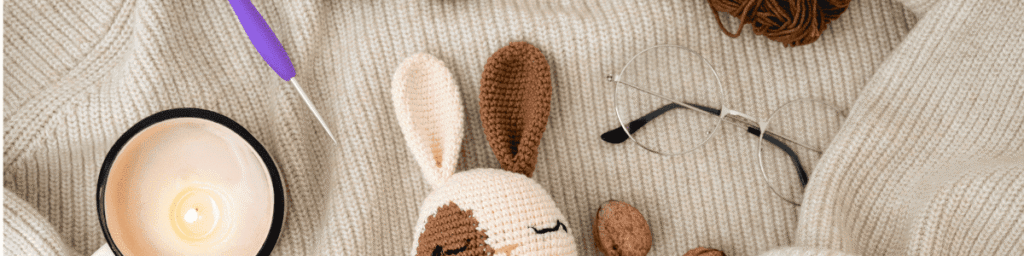
Creative itch burns the palms-tools are scarce? The key is not a “golden hook” but golden hands. What’s truly needed at the start of the Amigurumi marathon.
Creative itch burns the palms-tools are scarce? The key is not a “golden hook” but golden hands. What’s truly needed at the start of the Amigurumi marathon.
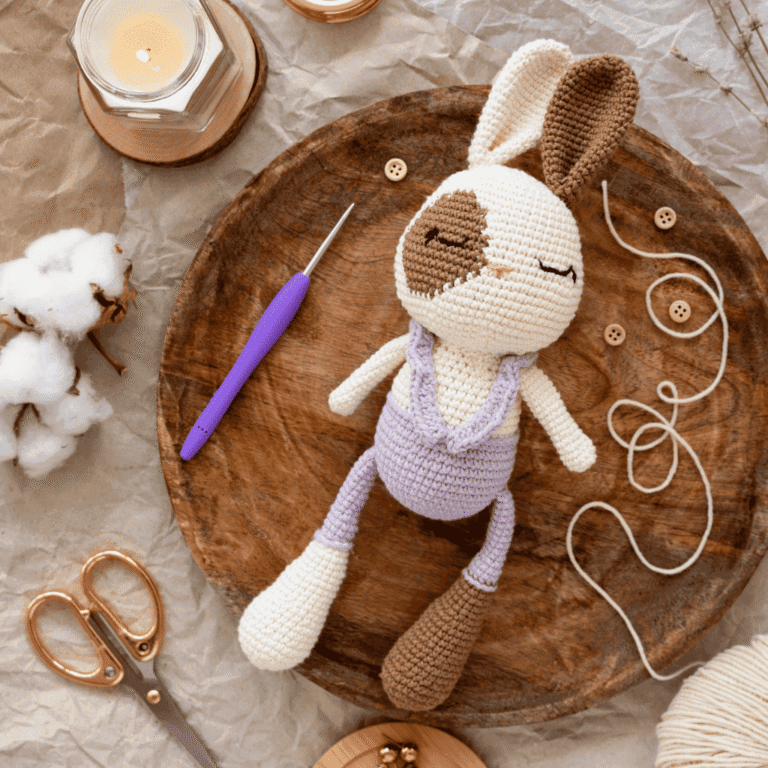
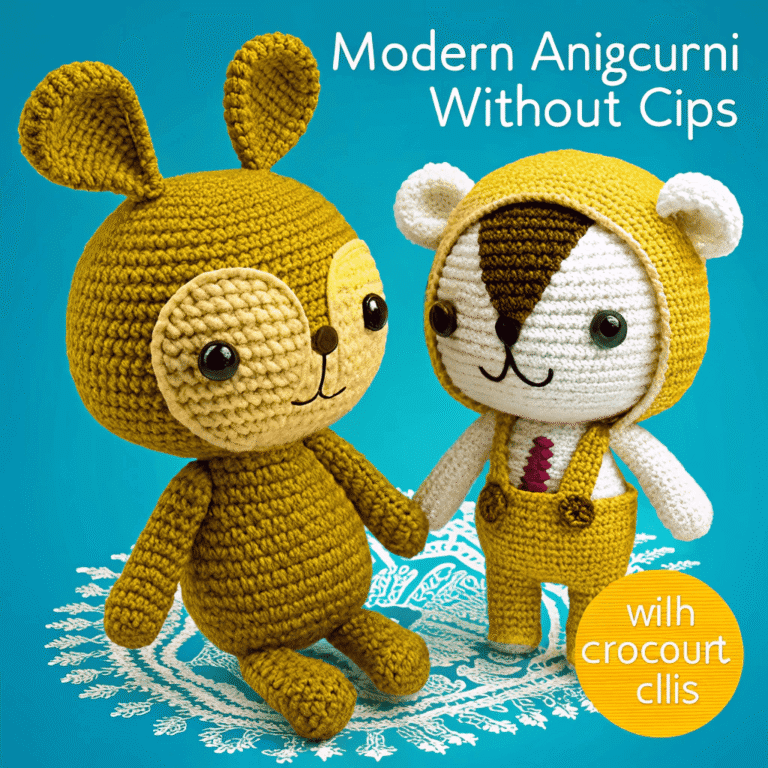
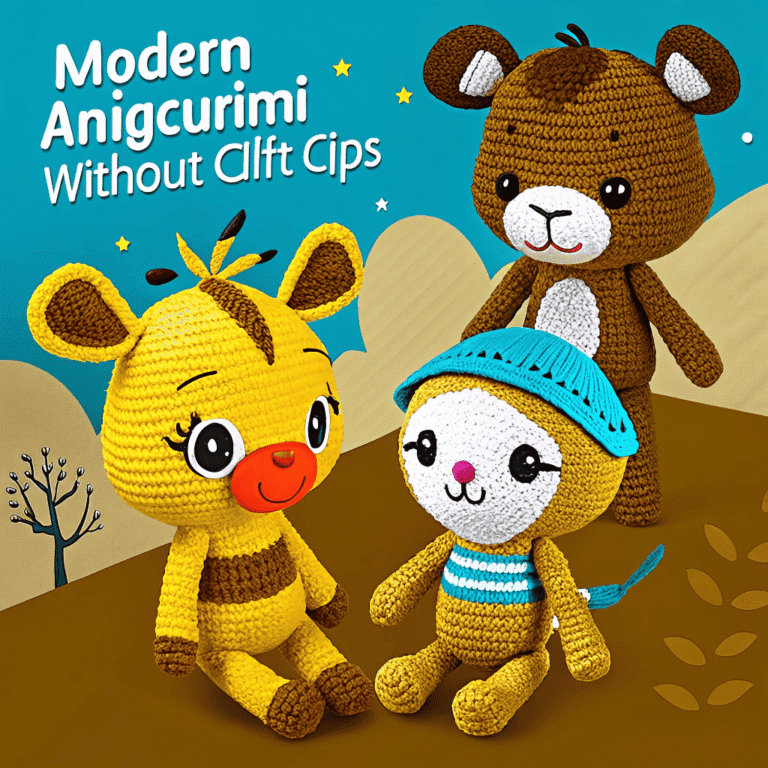
Are you already dreaming of creating cute and cozy plush friends with your own hands? Knitting toys is a hobby that brings joy and allows you to bring your wildest ideas to life. And what is a starter kit? Let’s find out!
What should be in a starter kit for knitting toys?
For a beginner, it is important not to overload yourself with materials, but to have everything you need for a comfortable start.
1. Yarn
- Type: Blended yarn (YarnArt Jeans or similar) – soft, pleasant to the touch, hypoallergenic. But you can use acrylic or wool. Anything you have “on hand.”
- Colors: Basic colors – white, black, beige, brown, pink, blue; you can expand your palette later.
- Quantity: For your first toys, 1–2 small skeins of each color will suffice.
2. Crochet hook
- Size: Selected according to the thickness of the yarn; [medium thickness yarn] – 2–2.25 mm hook. The loops should be tight
- Material: Metal, plastic, or bamboo; I prefer metal hooks with a rubber or plastic ergonomic handle
3. Filling (hollofiber/synthetic down)
- Purpose: Gives the toy volume and softness. Hollofiber is hypoallergenic, holds its shape well, easy to wash.
- Quantity: 100–200 grams is enough for your first toys.
4. Eyes and noses for toys
- Type: Plastic parts with fasteners on the back are best
- Sizes: Choose according to the size of the future toy
- Alternative: You can embroider with contrasting threads
5. Needle for sewing parts together
- Type: Long needle with a wide eye for threading yarn
- Purpose: Sewing toy parts together, sewing on small details
6. Knitting markers (stitch counters)
- Purpose: Small rings for marking the beginning of a row or important stitches, especially when knitting in the round
7. Scissors
- Type: Regular scissors for cutting threads
8. Tape measure
- Purpose: For measuring the dimensions of toy parts and checking compliance with the pattern
9. Knitting pattern (description)
- Type: Simple patterns for beginners (bunnies, bears, seals)
- Format: Text PDF format + photos, with clear instructions
10. (Optional) Pins
- Purpose: Temporary fixation of parts before sewing
- It is better to have pins with large “heads” so that they do not fall into the knitted fabric
How to use each item
- Yarn: For knitting toy parts according to the pattern and color
- Hook: Creates loops; the right size ensures tight knitting
- Filling: Fills the parts, giving them shape; distribute evenly
- Eyes and noses: Attached to the head, create a cute look
- Needle: For sewing toy parts together; seams should be neat
- Markers: Help track the beginning of a row and important loops
- Scissors: For trimming threads after changing colors or completing a part
- Tape measure: Checks the proportions of the parts according to the pattern
- Knitting pattern: Follow the instructions for the correct result
- Pins: Temporarily secure parts before sewing
Tips for beginners
- Start simple: Choose an easy pattern to learn the technique
- Don’t be afraid of mistakes: Unravel and try again, it’s part of learning
- Only use cotton or wool threads for unraveling. [Plush threads can be damaged] by the unraveling process.
- Learn the basics of crocheting: chain stitch, single crochet, double crochet, etc.
- Watch video tutorials: They help you learn new techniques and tricks.
- Practice regularly: The more you practice, the better the result.
- Don’t rush: Crocheting requires patience, so enjoy the process.
- Join communities: Communicating with other crafters helps you share experiences.
Conclusion: Not everyone who tries crocheting becomes a fan of this hobby. But everyone who gets hooked on it has a lot of fun!
Popular Products
-
 T-Shirt Three$15.00
 -
 Triangle$5.00
 -
 Product on saleT-Shirt OneOriginal price was: $15.00.$12.00Current price is: $12.00.